Bluco’s Joe Arsenault at FABTECH: What’s really holding production back?
Register to join Joe on October 23 for an enlightening session at FABTECH in Las Vegas
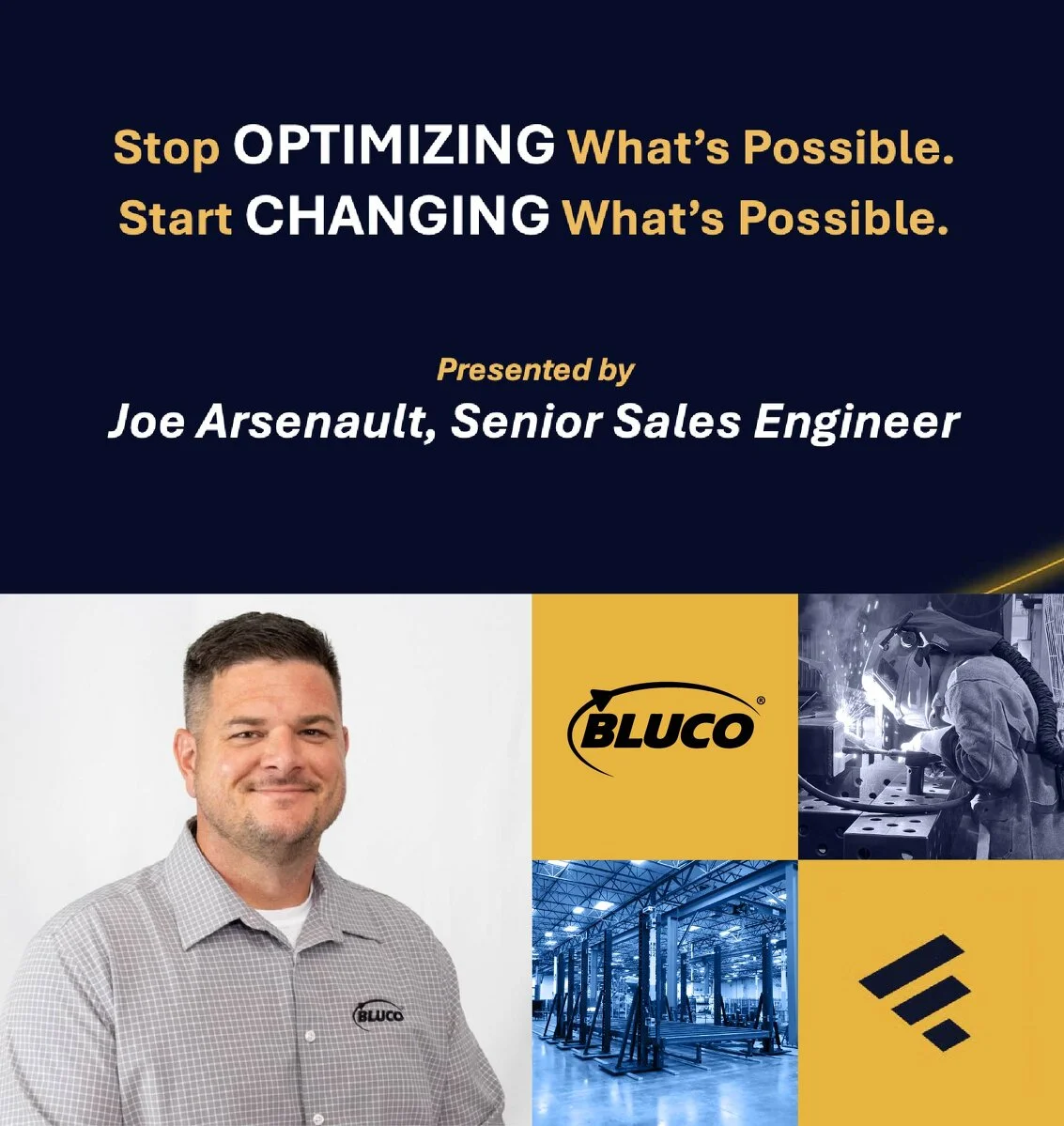
When you’ve been on both sides of investing in an engineered workholding solution – both as the customer and the vendor – you develop a well-rounded perspective on how to optimize that interaction.
That’s part of the reason Bluco’s own Joe Arsenault, current Senior Sales Engineer and former manufacturing business owner, is excited to speak at FABTECH 2026. “I owned my own business for 6 years,” says Joe. “When it’s your business, inefficiency isn’t theoretical. Factors like lost time, cash flow, customer commitments – all that matters and can impact you in a very real way.”
So when Bluco decided they wanted to educate FABTECH visitors on how workholding impacts all these factors, Joe was in. “My role at Bluco gives me the opportunity to walk through manufacturing facilities across North America and to work with companies in very different industries,” he says. “But despite the fact that they’re making different products, have different manufacturing philosophies, levels of automation, etc. – many of their challenges are remarkably similar.”
Even more notable, Joe says there’s one pattern that he sees over and over: “Manufacturers spend enormous effort engineering how to make the part, but comparatively little effort engineering how to hold the part.”
And that is the perspective he wants to challenge at his session titled “Stop OPTIMIZING What’s Possible. Start CHANGING What’s Possible” at FABTECH 2026 in Las Vegas.
Rethinking the role of workholding
During any fabrication process, there are some important questions that need to be answered: Where should the component be located? Which dimensions matter most? What’s the right clamping sequence, and how much adjustment is acceptable? All of those questions are answered by workholding.
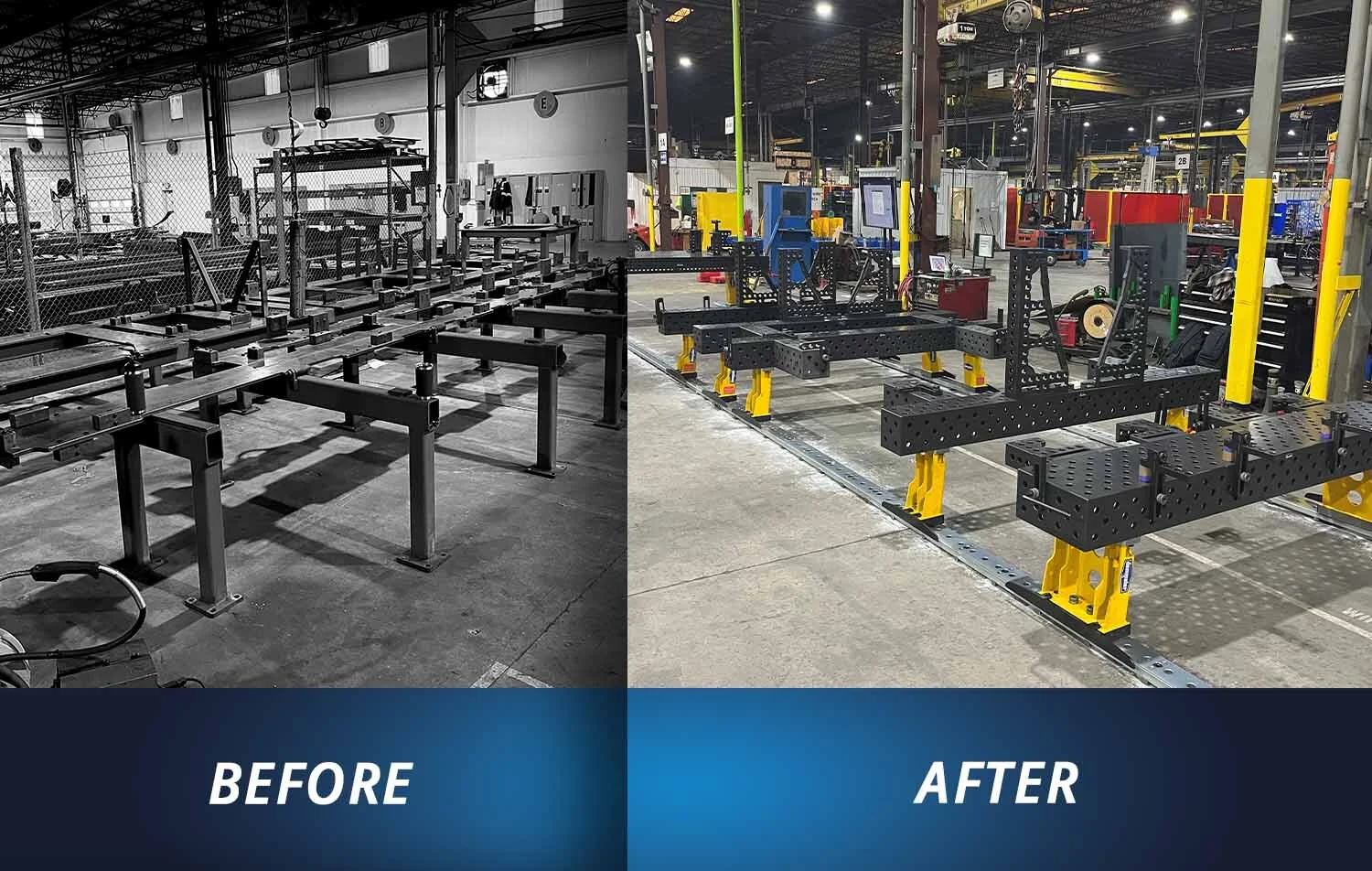
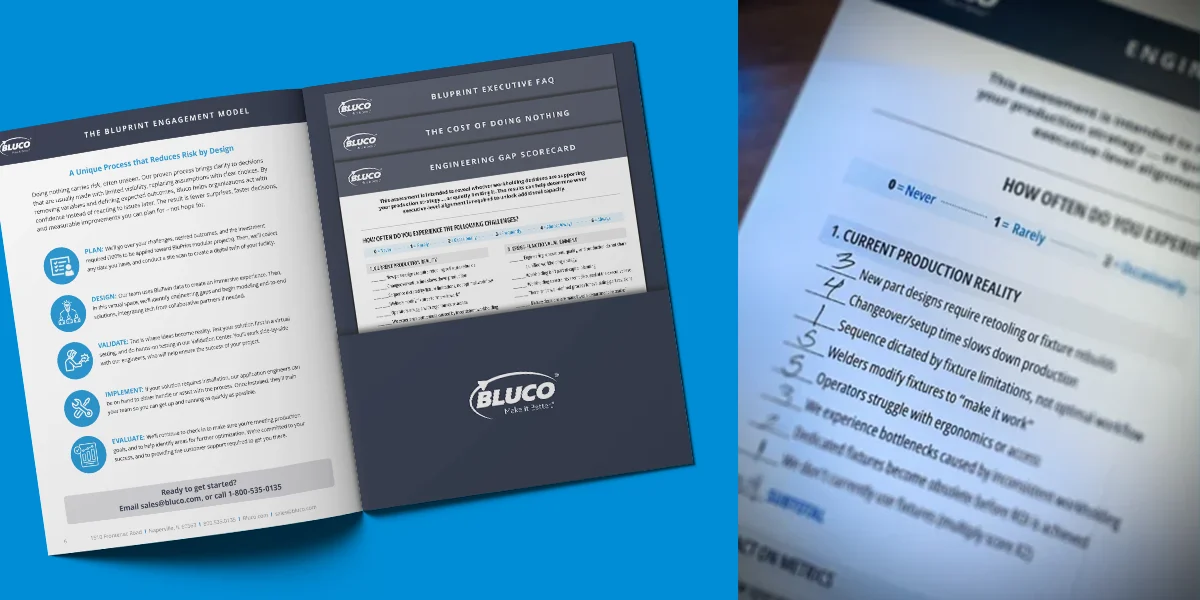
“When there’s an Engineering Gap – when the workholding step is un-engineered or under-engineered – those questions don’t just go away,” says Joe. “Instead, every welder that touches the project has to figure it out for themselves. And that opens the door to inconsistency, because every welder is going to have a different way to solve the problem.”
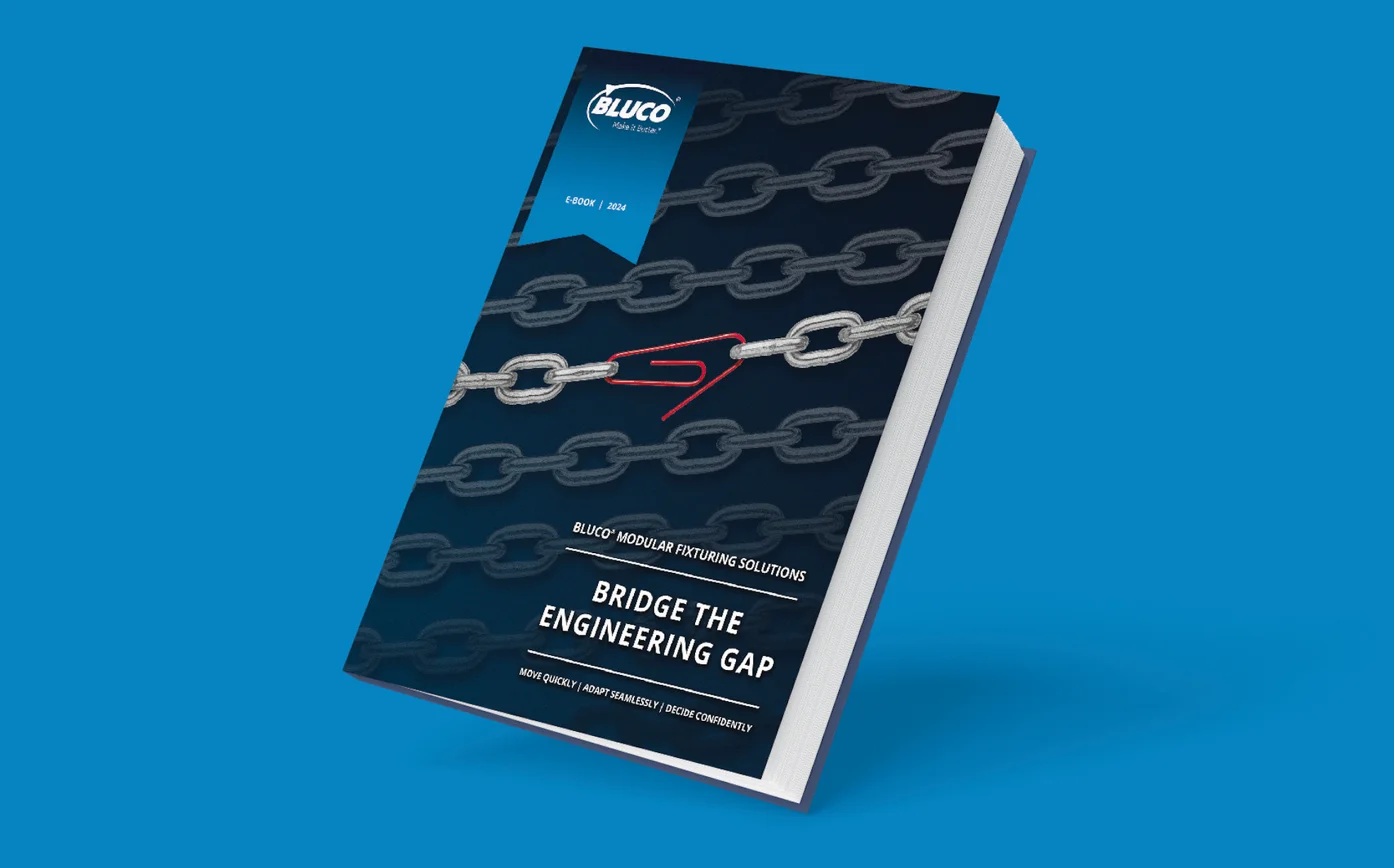
Download our Engineering Gap ebook >
More importantly, that gap can also limit what an investment in equipment or automation will accomplish. The key is to remove the burden of those decisions from individual welders and build them into the fixture. “That shift may sound minor,” says Joe, “but it can have a major impact on efficiency, resource allocation – and ultimately, revenue.”
What happens when you change what’s possible
At his FABTECH session, “Stop OPTIMIZING What’s Possible. Start CHANGING What’s Possible,” Joe will share real production stories, what manufacturers discovered when they took a closer look at the process, and why the answer wasn’t always what they first expected.
Join Joe at FABTECH 2026:
Friday, October 23, 11:00–11:45 a.m., Room N203–204. View session details and registration.